
Michael Straumietis Explains What Nutrient Calculator Does

In hydroponics, it is all about making the most of the smallest amount of area. The nutrient calculator is the solution for getting the best possible results from every seed, area, and yield. In this article from Michael Straumietis, Founder and CEO of Advanced Nutrients, we will teach readers how to use the calculator correctly for optimum results.

The Difference Between Feed Charts and Nutrient Calculators

While nutrient calculators and feed charts may function similarly, the former provides a more precise picture of the nutrients a planter would need to add to their hydroponic system. According to Mike Straumietis, in order for the nutrient calculator to generate an accurate result, a farmer must first enter any relevant data they may have. A hydroponics nutrient calculator, however, does more than calculate a number. The size of the stock tanks, the type of fertilizers used, the base electrical conductivity, and parts per million of the solutions are the most important details that growers need to enter for their hydroponic systems. The nutrient calculator will generate a feeding chart when these details are entered that shows precisely how much of each nutrient product has to be added each week.

The Elements of a Nutrient Calculator

A farmer must be able to identify any minerals in their water in order to calculate how many nutrients to add to a solution. One can measure the parts per million (PPM) and electronic conductivity (EC) of their solution to determine the nutrients that are present in the water. The PPM counts the number of minerals present in a solution, whereas the EC counts the number of salts in a solution. Various media have different interactions with nutrients. Inert materials like rock wool and coco usually don’t contain any nutrients, whereas soil typically does.

Why Proper Feeding Matters

Hydroponically produced plants require different amounts of nutrients than their soil-grown counterparts, shares Advanced Nutrients Mike Straumietis. Knowing how to feed plants and what kinds of nutrients to utilize for best growth is crucial for farmers. Harvest failure is less likely when growers are aware of when and what to feed their plants. Healthy growth is achieved when specific nutrients and supplements are provided to plants. Such healthy plants provide pleasant and fragrant fruits, vegetables, and other agricultural products.

According to Mike Straumietis, a well-planned feeding schedule will produce strong roots and healthy plants. Plus, it results in an abundance of flowers and effective growing. Growers have to decide on a specific feeding regimen for their plants after selecting a nutrient line. Feeding charts are frequently set up per liter or gallon, and most growers must develop their unique chart based on the water hardness, reservoir size, and bloom stage. Feed charts help gardeners administer nutrients to plants during the vegetative and flowering phases because plants need to change their nutrient requirements as they progress from one phase to another. Growers can remove and add different products to meet the nutrient needs of the plants with the use of feeding charts.

Where the Advanced Nutrients Calculator Excels

The Advanced Nutrients Calculator is an additional service offered by Advanced Nutrients. Growers can use the application to create and update their plants’ feeding schedules. They can also create various feeding chart recipes to maximize the performance and yield of their crops.

Advanced Nutrients, under the leadership of its CEO and Founder Mike Straumietis, continues to be committed to helping more growers worldwide. Its large and diverse team of highly competent, well-trained, and skilled Ph.D. scientists has developed a broad spectrum of next-generation products that nourish every phase of a crop’s cycle, from seed to senescence. As a result, growers in more than 110 countries rely on the plant nutrients and fertilizers of Advanced Nutrients to unlock the true genetic potential of their crops. Moreover, Mike Straumietis has invested millions of dollars in improving the supply of life-giving essentials to hundreds of thousands of people around the globe. 

As a testament to its strong lineup of next-generation products, Advanced Nutrients generates nine figures in annual sales in plant nutrients and fertilizers, cementing its status as a billion-dollar company. 

Mike Straumietis: Key Components of a Nutrient Calculator

While nutrient calculators are similar to feed charts in that they show you the nutrients you’ll need to add to your system, they do it more accurately. Nutrient calculators allow you to enter your information and get a response, just as with any calculator. Practical calculators will also allow you to account for several crucial factors that can ultimately determine the outcome of your crop. Mike Straumietis points out that there is much more to these calculators than just simple mathematical equations.

It is pertinent to explore some of the functions and logistics of a nutrition calculator now that you know what feeding charts and nutrient calculators are. As stated above, there is much more to nutrient calculators than simple mathematical formulae. Mike Straumietis believes the best calculators will have the following features, so be sure to seek out a product that provides the following items.

EC or Base PPM
Mike Straumietis believes it is essential to know whether your water contains mineral traces. You can measure your solution’s electronic conductivity (EC) or parts per million (ppm). The EC counts the number of salts in a solution, whereas the ppm counts the number of minerals. If a calculator doesn’t take base PPM or EC into consideration, you may be over-calculating your solution. Water mineral content, or hardness, is a common occurrence in rural areas where much of the nation’s crop cultivation takes place. Failing to add this inherent mineral content to your calculations is one of the most common blunders you can make when calculating the amount of fertilizer to add to your water supply.

Variety of Media
Different media respond to nutrients in various ways. To begin with, inert media like coco and Rockwool don’t contain any nutrients, whereas soil normally does. The cation exchange capacity (CEC) of each material varies as well. Cation exchange capacity refers to soil’s ability to hold exchangeable cations, which in turn determines how effectively the soil will retain essential nutrients. The amount of nutrients you need to apply over time depends on which materials hold onto nutrients better than others and is an important factor in any feed calculation. Unfortunately, calculators fall short if they offer the same feeding schedule for all forms of media. Your plants are therefore unlikely to reach their full potential. In some situations, it is advisable to use a variety of media in your plants’ substrate. Doing so can help you ensure that your crops are rooted in a secure and nurturing environment in which they can grow unhindered.

Nutritional Goods
The application guidelines will fluctuate because different hydroponic fertilizer formulations contain varying nutrient concentrations and ratios. You can also utilize multiple products simultaneously in order to achieve the proper balance of fertilizer and substrate. Using a reputable nutrient calculator, you can apply the appropriate amount of each product to the soil each week of a plant’s growth. Using such a calculator will allow you to ensure that you supply a well-rounded regimen of nutrition to your crops.

images (3)

The Phase Change Material For Gaming Desks: How To Choose The Right One.

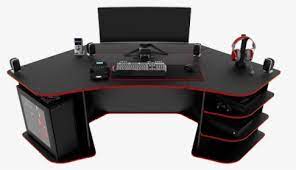
Do you have a gaming desk? Some people might think that a gaming desk is just a table with the latest gadgets and the best computer to make high-end PC games. But, as you’ll soon find out, there’s more to it than that. In order to achieve your goal of being an experienced gamer, you’ll need the right tools for the job.  For those who are looking for a way to upgrade their setup or for those who are new to PC gaming entirely, here is a guide on how to choose the right phase change material for gaming desks.

What are phase change materials?

A phase change material, or PCM, is a material that can store large amounts of heat during its melting stage. It then releases this heat when it crystallizes back into the solid form. These materials are used in many industries, from construction to medicine to military operations. In fact, there are already some modifications made for gaming desks that include a PCM.

Why do some gamers need them?

The phase change material for gaming desks is a type of material that has the ability to absorb large amounts of heat, while also moving it away from the surface. This is an excellent idea for gamers, because it allows them to sit at their desk without getting too hot. However, its purpose isn’t only limited to keeping gamers comfortable. The PCM is also advantageous in other ways. For instance, many people find that this type of material can help prevent premature wear and tear on their equipment by keeping everything cooler than it would be without it.

It may sound counterintuitive, but after you read through this guide you’ll understand how the PCM works and why it’s important for gamers. So let’s get started!

What is the difference between a desk and a table?

A desk is a piece of furniture that typically has a work surface and a drawers. A desk is used for writing or studying. Tables are usually found in the kitchen or dining room, and they are mainly used to organize food, drink, books, magazines, etc.

How to choose the right PCM for your desk

There are many different phase change materials out there, but not all of them are right for your desk. The most important thing to keep in mind is the difference between conductive and non-conductive PCMs. Non-conductive PCMs are the type of material that is used in most computer desks because they are inexpensive and easy to install. Conductive PCMs help dissipate heat better which makes them great for gaming setups where you want to play games for extended periods of time. They also cost more money which can make this type of PCM difficult for gamers on a budget.

Another thing you’ll want to think about is how much space you have in your desk. If you have a large desk, it might be worth it to get a conductive PCM just because they can help with heat dissipation even more than non-conductors do. But if space is an issue, then getting a non-conductive PCM would be the way to go because they don’t take up as much space.

Choosing the best material for your desk

There are different types of gaming desks out there, but not all are created equal. One of the most popular is a standing desk. Standing desks are great for those who want to stay active while they game. They also have the added bonus of being great for your health, as you’re more likely to be moving around and burning calories.

Another type of gaming desk is a recliner or chair with an adjustable height. The benefit here is that you can position your body in an ergonomic way so you’ll be comfortable while gaming for long periods of time.

We all know that there are many factors to take into consideration when choosing the best phase change material for your gaming desk, but the most important one is comfortability. You want to find something that will work well with your body’s posture and something that won’t put too much pressure on it. A good rule of thumb is to choose a chair with adjustable heights if you need something with more support or if you’ll be sitting in it for hours at a time, like during marathon sessions of League of Legends or World of Warcraft.

Desk size

Gaming desks come in many shapes and sizes. Before you start your search, it’s important to think about what size desk will work best for your setup. If you already have a desk that you want to convert into a gaming station, make sure the measurements will fit your needs. If not, there are plenty of options to choose from online.

Budget

One of the first questions you’ll have to ask yourself is what level of quality are you looking for? Remember, there are a lot of different types of phase change materials out there, but not all materials are created equally. For example, some materials are very expensive and other materials are quite cheap. This will depend on your budget. If you’re looking for something that will provide a higher-quality experience, then you might need to invest in a more expensive material. On the other hand, if you’re someone who doesn’t really care about what it feels like sitting on or sliding around on, then maybe the cheapest option is good enough for you.

Flexibility of movement.

One of the most important features to consider when choosing a phase change material is its flexibility of movement. Some phase change materials may be too hard and not allow you to sit on the desk while playing games or working, while others may be too soft and not provide enough support for your back. Ideally, you would want a phase change material that offers both comfort and support.

Conclusion

We hope that this guide has given you some ideas about what to think about when buying a phase change material for your gaming desk. However, there are many other factors to consider before making your purchase. By following these guidelines, you can find the right PCM for your desk.

Recommended: