Bottled and Jarred Packaged Goods

Best Types and Benefits of Bottled and Jarred Packaged Goods 2022

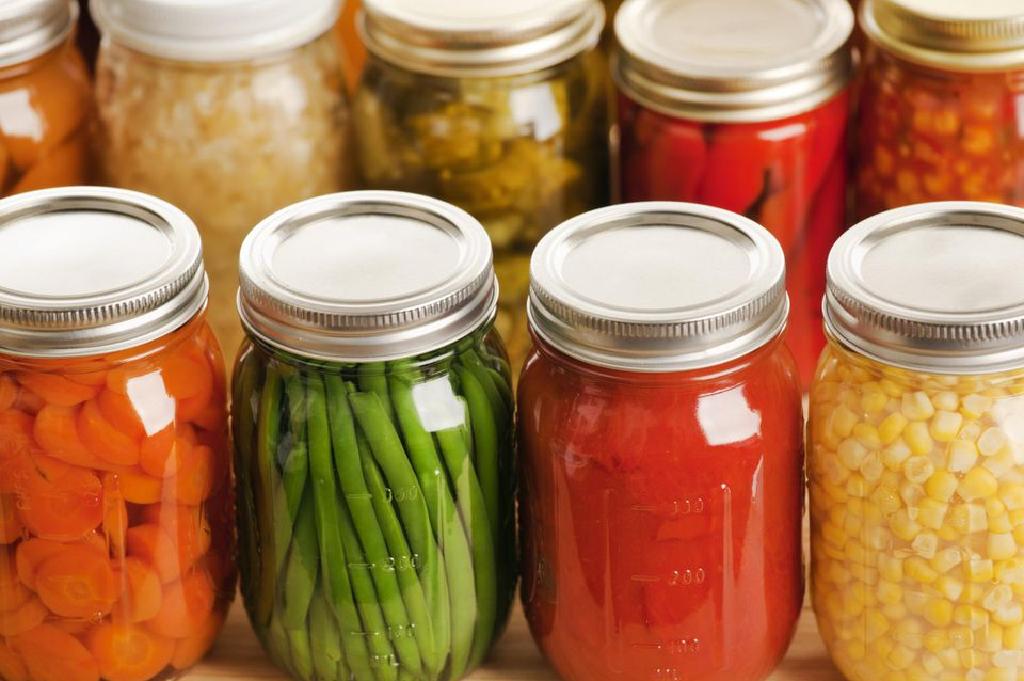
Packaging in the form of jars and bottles is standard. The fact that these are widely utilized is well-known, yet some people are unaware of their advantages and disadvantages. Bottled and Jarred Packaged Goods are a current fad in the business world. In the same way, as bottles and cans make it easier to keep products or food, this is likewise handier. This is a more convenient way to keep products or food fresh than other packaging options.

Types of Bottled and Jarred Packaged Goods:

An industry that is well-packaged

There is a wide variety of Bottled and Jarred Packaged Goods available from various businesses. The only thing that determines a product’s classification is its packing. Because glass bottles are widely used, the packaged goods business relies heavily on them.

Aluminum-based containers

Because of its low cost and ease of production, it is unquestionably one of the most commonly utilized materials. In addition to being safe and extending the shelf life of your food, these containers are constructed from recyclable materials. Except for plastic trays, You can also find metal inside bags.

Packaging made of wood

Long-lasting and resistant to environmental damage, it is an ideal material. Only a few liquids, such as oil, beer, and wine, are regularly stored in wooden containers. According to experts, this material is excellent for this sort of cuisine since it keeps the flavor and integrity of the food. In addition, much like gourmet dinners, You can package fruits and vegetables in wooden boxes.

Container made of glass

The fact that glass containers are both non-corrosive and airtight gives them an edge over other materials. As a result, following sterilization and cleaning, it can be used and recycled again and again. Foods and beverages like beer and jam are good examples of this.

Containers made of metal

The long-term preservation of food is made feasible by the container’s airtight closing, made possible by the metal. Canned food is generally packaged in metal containers because of the advantages in terms of product safety. Cans are often used to keep fish, fruits, and vegetables, as well as pates. The problem with metal containers is that they’re hard to keep.

Packaging made of cardboard

Moisture and water are easily transported to their constituents due to their high absorption capacity. Two of the many advantages of cardboard are its lightweight and recycling ability. It is commonly used to store, present, and distributes food because it can be molded into any shape. They’re used in a wide range of products, from takeaway meals to produce boxes to nut tubs to condiment tubes to frozen food packaging boxes.

Review of Good Girl Perfume Dossier.co

The advantages and disadvantages of packaged foods

Everything in our world has pros and cons, as we know. Because too much of anything can lead to disaster, we must exercise extreme caution. No matter how much you love someone, there is no such thing as a free meal in this world.

Advantages

The advantages of bottled and Jarred Packaged Goods include the following:

  1. Hygienic: Regarding commodities, container cleanliness is one of the most critical considerations. No oxidase is needed, no radiation is emitted, and the contents are unaffected by glass containers.
  2. Higher-Quality Product in a More Convenient package: Large display racks are commonly used to exhibit containers and bottles. While customers can find a small container large enough for their purchases, this may not always be the case. As a result, you must ensure that your shelf-lifter is of the highest quality to maximize its potential.
  3. Ecologically friendly: Choosing a high-quality glass container is a safe and environmentally responsible option. Because it does not harm the environment, it is also safe to use.
  4. Convenient and handy: Another consideration is how easy it is to use suitable glass packaging. To begin with, it’s small enough to fit in a bag or pocket easily. Taking it with you on a trip is a breeze because it’s light and portable.

Disadvantages:

Everything has its advantages and disadvantages. As a result, foods that have been preserved or packaged may have their own set of drawbacks. The Disadvantages of Bottled and Jarred Packaged Goods:

  1. Packaging that is vulnerable to being damaged: Despite its ease and curiosity, this packaging’s fragile nature detracts from its other positive attributes.
  2. Expensive: Due to its brittle nature, glass is expensive and difficult to get. Jars and bottles are more expensive because of this. However, you may have noticed that tins are less expensive than glass bottles for storing food.

Conclusion

“Bottled and Jarred Packaged Goods” refers to food that has been processed, canned, or otherwise preserved in an airtight container. Bacteria flourish in damp conditions with the correct temperature to induce food deterioration. Organic, natural, and locally sourced foods are becoming increasingly popular as consumers become more concerned about the safety of their food supply.

bottled-and-jarred-packages

What Are Different Types of Food Packaging?

You may ask why are different Types of Food Packaging important? Food items today come wrapped in all kinds of packaging. Different shapes, sizes, colors, and materials are used by manufacturers to differentiate their products from those of the competitors. The packaging industry has innovated itself thanks to the insatiable demand coming from the food industry. The most common food packaging comes in plastic and glass materials. All canned goods as well as bottled and jarred packaged goods use the latest innovations to help keep the food items fresh and retain their original taste and flavors.

Packaging plays a very important role when it comes to not only maintaining the freshness quotient of food but also appealing to the aesthetic sense of the customer. Protecting the food items from the detrimental effects of climate change as also pests like insects and vermin come under the role of food packaging.

Particularly one finds items that need to be reused constantly need the kind of secure packaging so as to preserve their essence. Different types of food packaging used by companies that cater to the end consumer focus on both functionality of the food packaging as also the design aesthetics.

What Are Different Types of Food Packaging?

The wide variety and choices available in the market for food packaging is mind-boggling. Depending on the nature and type of food, one can choose from a plethora of options.

Plastic The most common type of food packaging used is plastic. The versatility of plastic makes it one of the most endearing and go-to materials for food manufacturers. Right from water to candy bars to medicines, anything can be packaged in containers made out of plastic. Plastic packaging types vary as follows:

  • Polyethylene Terephthalate (PETE or PET) – used to make soft drink bottles and salad packages
  • High-Density Polyethylene (HDPE) – used for milk bottles, ice cream containers, and freezer bags among others
  • Polyvinyl Chloride or PVC – used for making containers
  • Low-Density Polyethylene or LDPE – used in the manufacture of shrink wrap and squeezable bottles
  • PP or Polypropylene – used in packaging yogurt and ketchup among other food items
  • Polystyrene or Styrofoam – often used for making disposable cups, bowls, and take-away food containers

One merely needs to look at the grocery retail store shelves to see the influence of plastic in day to day needs of consumers. Plastic is the base material for a lot of modern packaged products like: –

  • Flexible pouches
  • Clamshell packaging
  • Shrink films
  • Bottles

Bio Plastic

Bioplastic is better for the climate, but just as difficult to degrade. The majority of all plastic is made from fossil oil, but it is becoming increasingly common to use renewable raw materials instead. Renewable raw materials such as starch from potatoes or other starchy crops and lactic acid or ethanol produced from sugar can also be turned into plastic. These types are called bioplastics and are usually a little more expensive than plastics from crude oil. Bioplastics can in turn be divided into two subgroups, biodegradable and non-biodegradable.

For example, bio-polyethylene, or green PE, as it is also called, is made from ethanol from sugar cane but has the same properties as polyethylene from oil. It thus has the same appearance, properties, and inability to degrade in nature. On the other hand, lactic acid and starch plastics can usually be broken down in compost.

Glass

If anything has existed prior to plastic and is as ubiquitous as plastic for food packaging, then it is packaging materials made of glass. Glass has amazing preservative abilities and can keep the packaged food items safe from both heat as well as moisture.

Glass jars are environment-friendly due to their bio-degradability. The versatility of glass jars is illustrated in the various dimensions that they can be shaped in. Comparing the shelf life of all packaging materials, glass jarred package goods have an extensively long shelf life while also maintaining an aura of luxury. The added advantage which works in favor of glass packaging is the reusability of such packaging.

Paper and Paperboard

It is the third option available for food packaging. Paper-based packages are widely replacing plastic and glass packaging due to their low impact on the environment and cheaper logistics costs. From paper bags being used as secondary packaging materials for dry food items, innovations in the industry have carved out bottles for beverages such as carbonated drinks, and milk among other food items. Though the advantage of being lightweight, sturdy, low cost of making, and recyclability are there, one can’t discount certain negatives such as poor protection from moisture, damage as well as other environmental conditions.

Other than the above there are different types of food packaging such as aluminum packaging, metal packaging, wooden packaging, and cardboard packages that are extensively utilized in the food industry for a variety of food products. What works well in terms of cost as well as protection for one type of food product might not work for another. These aspects should be considered while planning for one’s food packaging materials.